Stakeholder engagement and sustainability reporting are rapidly becoming core requirements for organizations managing real world assets, infrastructure, and community facing projects. Real estate developers, energy companies, public agencies, and nonprofits are now expected to demonstrate measurable environmental, social, and governance performance while maintaining transparent relationships with the communities they affect.
Traditional sustainability reports published once per year are no longer sufficient. Investors, regulators, and communities increasingly expect real time transparency supported by measurable data. Organizations that combine structured stakeholder engagement with sustainability reporting gain a powerful advantage. They reduce project risk, improve trust, and demonstrate responsible governance.
This guide explains how stakeholder engagement supports sustainability reporting frameworks such as IFRS S1 and S2, GRI, and SASB while showing how modern platforms can turn engagement feedback into measurable ESG data.
What is Stakeholder Engagement?
Stakeholder engagement is the structured process of identifying, communicating with, and incorporating feedback from individuals or groups affected by a project or organization.
Stakeholders typically include:
- Local communities
- Employees and contractors
- Investors and lenders
- Government regulators
- Environmental organizations
- Customers and partners
Effective engagement ensures that decision makers understand how projects affect people, ecosystems, and economic systems. Without this input, organizations risk regulatory delays, community opposition, and reputational damage.
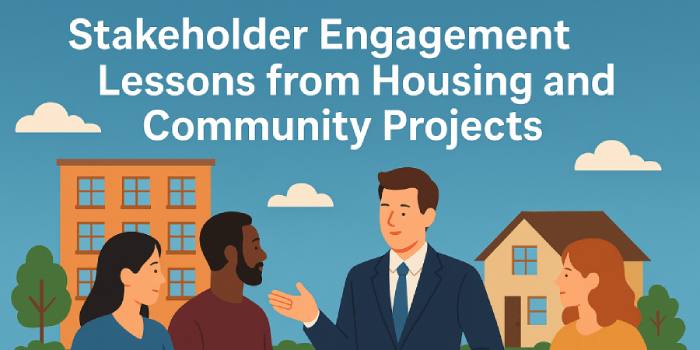
For example, major housing developments often face public resistance during rezoning or permitting phases. Structured engagement programs that capture community feedback early can significantly reduce opposition while improving project design outcomes.
Why Stakeholder Engagement Matters for Sustainable Development
Sustainability reporting is no longer limited to environmental metrics. Modern ESG frameworks incorporate social and governance dimensions that require organizations to demonstrate responsible relationships with stakeholders.
Stakeholder engagement provides the qualitative and quantitative data needed to measure these dimensions.
Key benefits include:
- Identifying community concerns before they escalate into regulatory challenges
- Improving transparency with investors and funding institutions
- Demonstrating compliance with ESG reporting standards
- Reducing reputational risk for large projects
- Providing measurable indicators for sustainability reporting
Organizations that integrate engagement data into sustainability reporting create a more complete view of project impact. This allows executives, boards, and regulators to monitor performance across environmental, community, and governance dimensions.
Sustainability Reporting Standards You Should Know
Several global frameworks define how organizations disclose sustainability performance. Understanding these frameworks is essential when designing stakeholder engagement strategies that feed into ESG reporting.
| Framework | Focus | Typical Use Case |
|---|---|---|
| IFRS S1 and S2 | Financially material sustainability and climate disclosures | Global investors and publicly listed companies |
| GRI | Comprehensive ESG impact reporting | Public accountability and nonprofit transparency |
| SASB | Industry specific sustainability metrics | Sector level comparability for investors |
These frameworks increasingly expect organizations to demonstrate how stakeholder perspectives influence decisions. Engagement data therefore plays a critical role in modern sustainability reporting programs.
Industry Applications
Real Estate and Construction
Real estate developers frequently face public scrutiny during rezoning, permitting, and construction phases. Community engagement is often required by municipalities before projects receive approval.
Digital engagement tools combined with real time dashboards allow developers to demonstrate transparency while documenting public feedback throughout the development lifecycle. This approach reduces opposition and provides clear documentation for regulators and investors.
Energy and Natural Resources
Mining, forestry, and energy projects depend heavily on maintaining a social license to operate. Communities and environmental groups expect continuous engagement and transparent reporting on environmental impacts.
Failure to maintain this trust can result in project shutdowns, regulatory penalties, and significant financial losses.
Nonprofits and Public Agencies
Nonprofits increasingly rely on sustainability style reporting to demonstrate the impact of their programs to donors and grant providers. Engagement metrics help organizations show how programs benefit communities and how feedback is incorporated into decision making.
Corporate and Technology Projects
Even technology initiatives benefit from stakeholder engagement. Large IT transformation programs often involve multiple departments, vendors, and external partners. Structured engagement reduces misalignment, improves communication, and increases project success rates.
Building Public Sustainability Dashboards
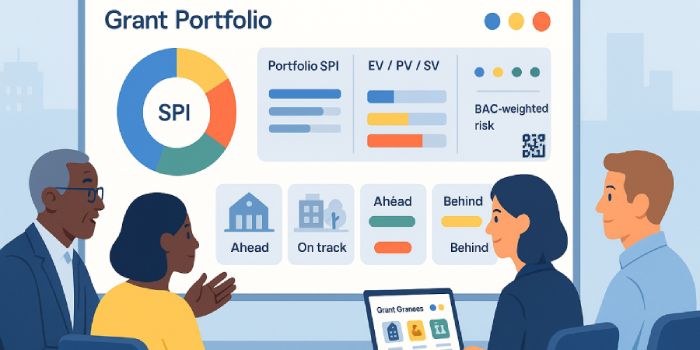
Traditional sustainability reports are static documents produced annually. Modern organizations are moving toward public dashboards that allow stakeholders to monitor progress continuously.
These dashboards typically display:
- Environmental performance indicators
- Community engagement metrics
- Stakeholder sentiment trends
- Project milestones and timelines
- Compliance indicators
Public dashboards provide a transparent view of sustainability progress while reducing the administrative burden of producing lengthy annual reports. They also allow organizations to demonstrate accountability in real time.
Practical Steps to Implement Stakeholder Engagement
- Identify stakeholders and map their influence and interest levels.
- Create engagement channels such as meetings, surveys, public forums, and QR code based digital feedback tools.
- Collect and analyze feedback to identify common concerns, opportunities, and emerging risks.
- Integrate engagement data into sustainability reporting frameworks such as IFRS S1, GRI, or SASB.
- Publish engagement results through dashboards or public reporting platforms.
- Continuously update engagement programs as projects evolve.
Case Example: Real Time Reporting in Housing Development
Consider a housing development project undergoing rezoning approval. Developers placed QR codes on public consultation notices and billboards around the project site.
Residents scanned the codes and submitted feedback about traffic, environmental concerns, and community amenities. Aggregated results were displayed on a public dashboard where stakeholders could see community sentiment in real time.
This approach reduced opposition during council hearings while demonstrating that the developer actively incorporated community input into the project design.
FAQs on Stakeholder Engagement and Sustainability Reporting
What is stakeholder engagement?
Stakeholder engagement is the process of involving individuals or groups affected by a project in discussions, decision making, and feedback collection.
How does engagement support ESG reporting?
Stakeholder feedback provides qualitative and quantitative data that can be incorporated into ESG metrics used in frameworks such as IFRS, GRI, and SASB.
Do nonprofits need sustainability reporting?
Many nonprofit organizations now adopt sustainability style reporting to demonstrate program impact, maintain transparency with donors, and improve grant eligibility.
What technology supports engagement reporting?
Modern platforms such as engagement dashboards, sentiment analytics tools, and integrated project reporting systems allow organizations to capture stakeholder feedback and convert it into measurable sustainability indicators.
Conclusion
Stakeholder engagement and sustainability reporting are converging into a single discipline focused on transparency, accountability, and long term value creation.
Organizations that treat engagement as measurable data rather than informal feedback gain a powerful strategic advantage. They can demonstrate responsible governance, reduce project risk, and build stronger relationships with the communities they serve.
Platforms that combine engagement analytics, sustainability reporting, and real time dashboards enable organizations to move beyond static reports and create living transparency systems that continuously demonstrate progress.
Contact us to learn how FolioProjects can support stakeholder engagement and sustainability reporting for your projects and portfolios.
Practical documentation for property projects
For a property-related sustainability initiative, preserve the baseline assumptions, project scope, stakeholder input, and subsequent outcomes. Keep claims proportional to the evidence and distinguish targets from measured results.
Related reading: The Importance of Stakeholder Sentiment in Sustainable Development Projects How ESG integrates with project portfolio management Rezoning, Entitlements and Permits: What Property Owners Are Actually Trying to Change.
For owners managing this work, FolioProjects supports property records and portfolios organized around objectives such as Entitle and Improve. Explore FolioProjects pricing or learn how to set up a property.